Allergies, pollen and hay fever

Air purifiers for pollen season and everyday indoor allergy control

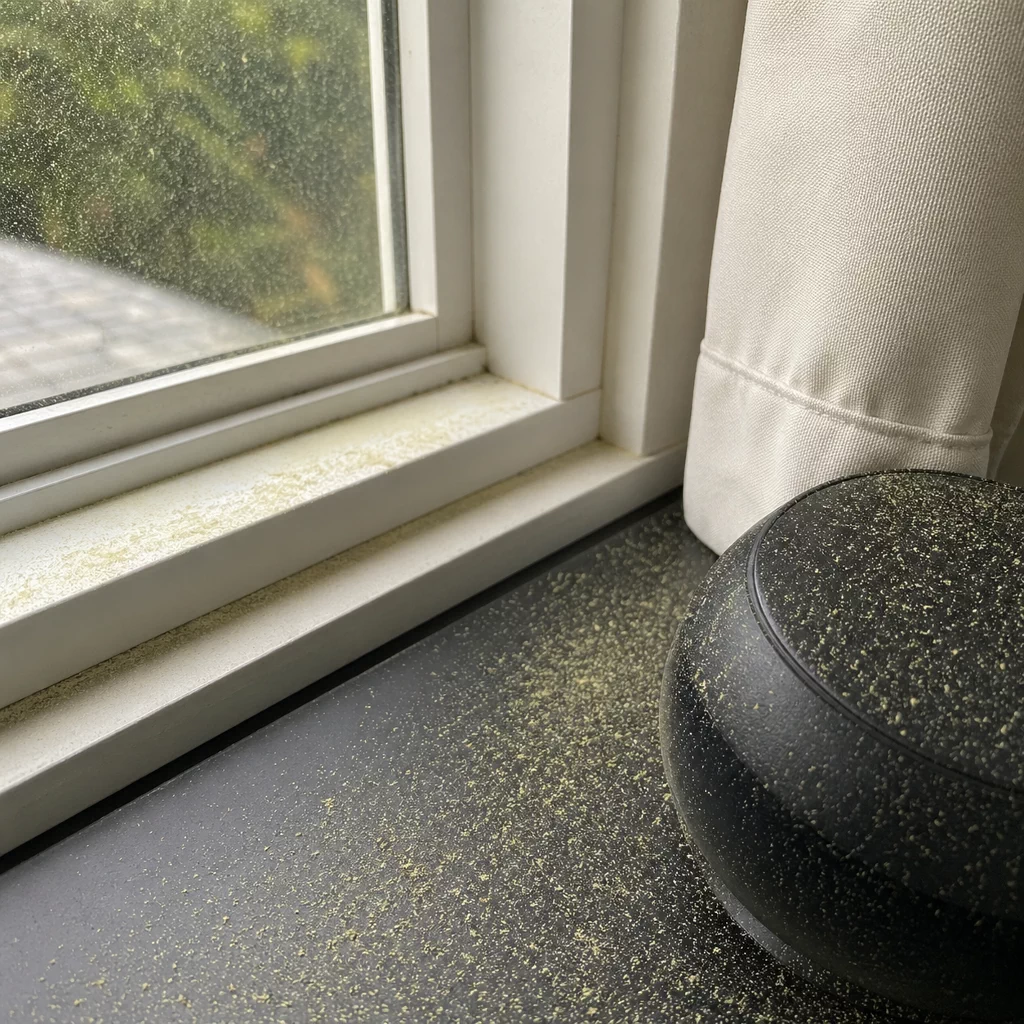
Allergy season is annoying in a very specific way. You air out the room for a few minutes, and somehow it feels worse after. The windows bring in fresh air, but they can also bring in pollen. Then it settles on fabric, bedding and whatever else is nearby.

A good air purifier can help with the part that stays in the air. It pulls room air through a filter system and catches fine airborne particles before they keep circulating around you. That does not turn the room into a medical clean room, but it can make indoor air feel easier to live with during pollen season.

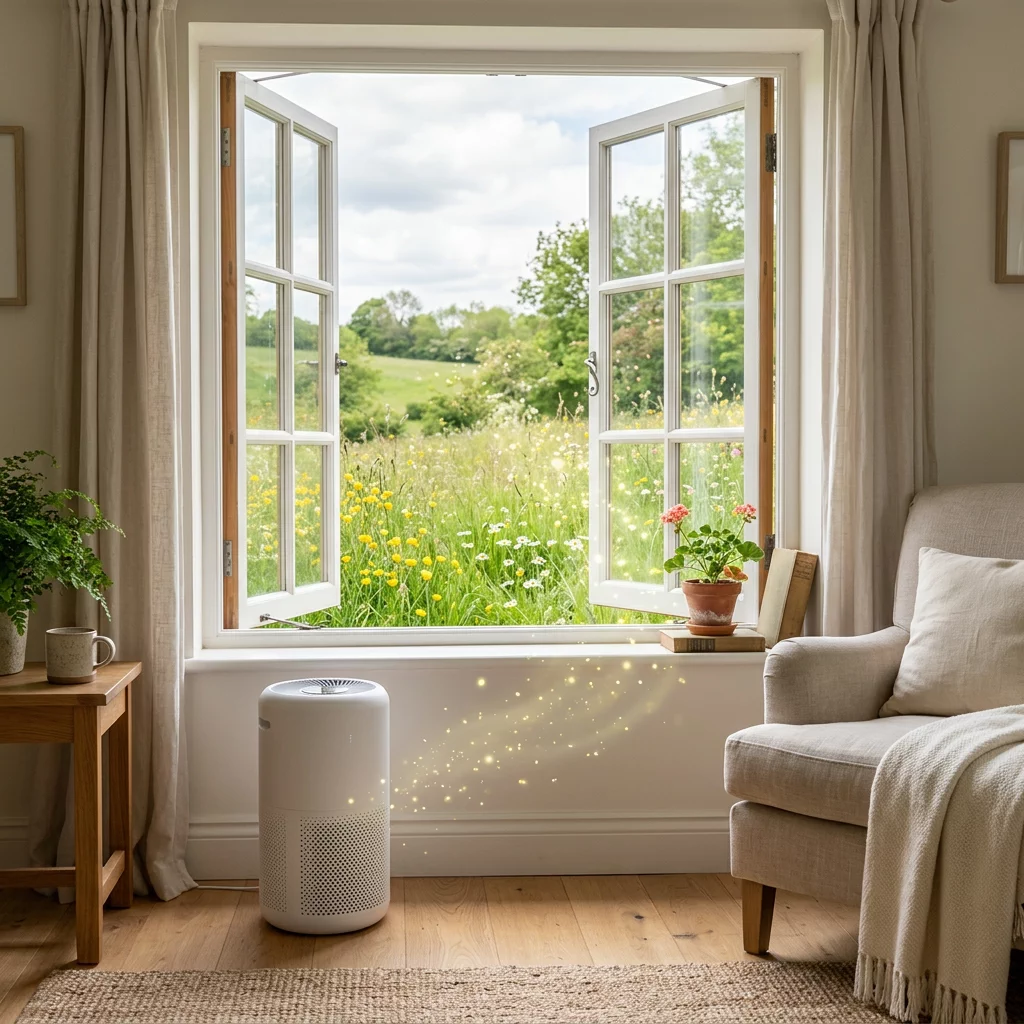
Bright bedroom with an air purifier near a window during pollen season
What this page covers Indoor pollen, airborne particles, HEPA filtration, room placement and realistic use in allergy season.

Outside pollen does not stay outside for long

A lot of people think of pollen as an outdoor problem, but it comes indoors pretty easily. Through open windows, on clothes, on shoes, in your hair, on pets, on bedding. After that it becomes part of the room for a while.

That is one reason bedrooms matter so much during hay fever season. If pollen and other particles keep circulating in the room where you sleep, the space can still feel irritating even when the windows are closed again.

An air purifier fits into that gap. It is not there to cure anything. It is there to reduce the amount of airborne material moving around the room so indoor air feels cleaner and less loaded.

It works on airborne particles, not on the whole house at once

This is the part people usually want explained in plain language.

It keeps air moving through the filter

A portable air purifier pulls room air in, passes it through one or more filters, and sends cleaner air back into the room. That process keeps repeating while it runs, so the room air gets filtered again and again.

It targets particles that are still airborne

That includes pollen and other fine particles that are still floating around rather than already settled on furniture or the floor. This is why a purifier can be useful during allergy season, especially in rooms where you spend a lot of time.

It is mainly for one room or one area

Portable air cleaners are generally designed for a single room or specific area, not the whole home. So placement matters. The best purifier in the wrong room can still feel underwhelming.

Why HEPA-style filtration is the part people care about for pollen

For allergy-focused use, the important bit is particle filtration. HEPA filters are a common choice because they are designed to catch very small airborne particles efficiently. That includes pollen and other fine material that can keep drifting around indoors.

A HEPA filter is a mechanical filter. Air gets pushed through fine filter media, and particles are captured there instead of staying in circulation. So yes, the simple version is true: a purifier can catch small particles out of the air, as long as those particles actually pass through the machine while it is running.

The practical side of this is room use. If you want cleaner air in a bedroom, office or living room during pollen season, the purifier should be sized for that room and left running consistently, not only switched on once things already feel bad.
An air purifier helps with air. It does not replace the rest.

This is where expectations need to stay realistic.

It does not remove settled pollen

Once particles have landed on bedding, curtains, clothing or furniture, the purifier is not going to magically pull them all back out again. That is why normal cleaning and washing still matter.

It does not fix every source of irritation

If the room is dusty, windows are open at the wrong time, fabrics hold onto allergens, or filters are overdue for replacement, the purifier is only part of the picture. Useful, yes. Complete, no.

That is also the safer and more honest way to talk about these devices. They can reduce airborne particles in a room. They are not a treatment and they are not a guarantee.

Start with the room that affects your day the most

For some people that is the bedroom. For others it is the home office or living room. The best place is usually where you spend the longest stretches of time and where you most notice the air.

Bedrooms are often the first choice because night-time comfort matters. A purifier that runs quietly through the night can keep air moving through the filter while windows stay mostly closed during heavy pollen periods.

If you work from home, a desk-side room can also be a smart first target. One purifier in the right room often does more than two in random corners of the house.

Small habits matter more than one dramatic fix

During pollen season, air purification works best as part of a normal routine. Keep the purifier running in the room you use most. Change or clean filters when needed. Do not block the air intake. Wash bedding and fabrics often enough that settled particles do not just build up around the room.

It also helps to think a bit about timing. If pollen is high outside, opening windows wide in the middle of the day may undo some of the benefit. A purifier cannot stop new particles from constantly entering the room.

So the realistic goal is not "perfect air". It is calmer indoor air, fewer airborne particles moving around, and a room that feels easier to sit, work or sleep in when allergy season is doing its thing.

Window area with soft daylight and visible pollen dust on the sill

What people usually want less of

  • Pollen drifting in from open windows
  • Air that feels loaded during spring
  • Fine dusty particles near bedding and curtains
  • Rooms that feel worse after airing out
  • That constant "stuff is floating around" feeling